Short answer
OEM parts are made to the vehicle manufacturer's specification, OES parts come from the supplier that made the original part, and aftermarket parts come from independent manufacturers. For parts where exact fit and electronics matter, OEM or OES is the common choice. For common wear items, a clearly branded aftermarket part with a stated warranty can be enough. Whatever the type, the part is right only if its number matches your vehicle.
Three part types defined
OEM
OEM stands for original equipment manufacturer. These parts are made to the vehicle manufacturer's specification and are usually sold under the carmaker's brand and part number. They suit buyers who want the same part that was fitted at the factory and who accept that the price often reflects the carmaker's branding. Check the OEM number against your VIN before ordering, and keep the number from the listing with your invoice.
OES
OES stands for original equipment supplier. These parts come from the company that supplied the original component to the carmaker and are often sold under that supplier's own brand. They suit buyers who want the original design and manufacturer without the carmaker's logo, and who accept that the supplier's own brand name replaces the carmaker's on the box. Stores such as Cars245 list part brands like Bosch, Denso, Valeo, Hella and Delphi.
Aftermarket
Aftermarket parts are made by independent manufacturers to fit the same applications as the original. Quality, materials and warranty vary by brand, so the brand name and the stated return and warranty terms matter more than the label alone. Compare at least two brands before you decide. Stores that sell aftermarket parts, such as RockAuto, state multiple brands for a part, which lets you compare options.
When each type is reasonable by part category
Part category changes the choice. For sensors, control units and parts that carry software or tight electrical tolerances, OEM or OES parts reduce the risk of a mismatch. For brake pads, filters, wiper blades and other regular wear items, an aftermarket part from a known brand is often reasonable when its approval and warranty are stated. For suspension and cooling parts, compare the brand, the stated application and the warranty. For body panels and lights, check fit descriptions carefully, because small differences in shape create installation problems. When unsure, search the OEM number first, then compare brands that cross-reference to it, and read the return terms of the store before you pay. Where a listing offers several brands, compare their stated approvals and warranty terms side by side.
Brake parts and the UNECE regulation on replacement brakes
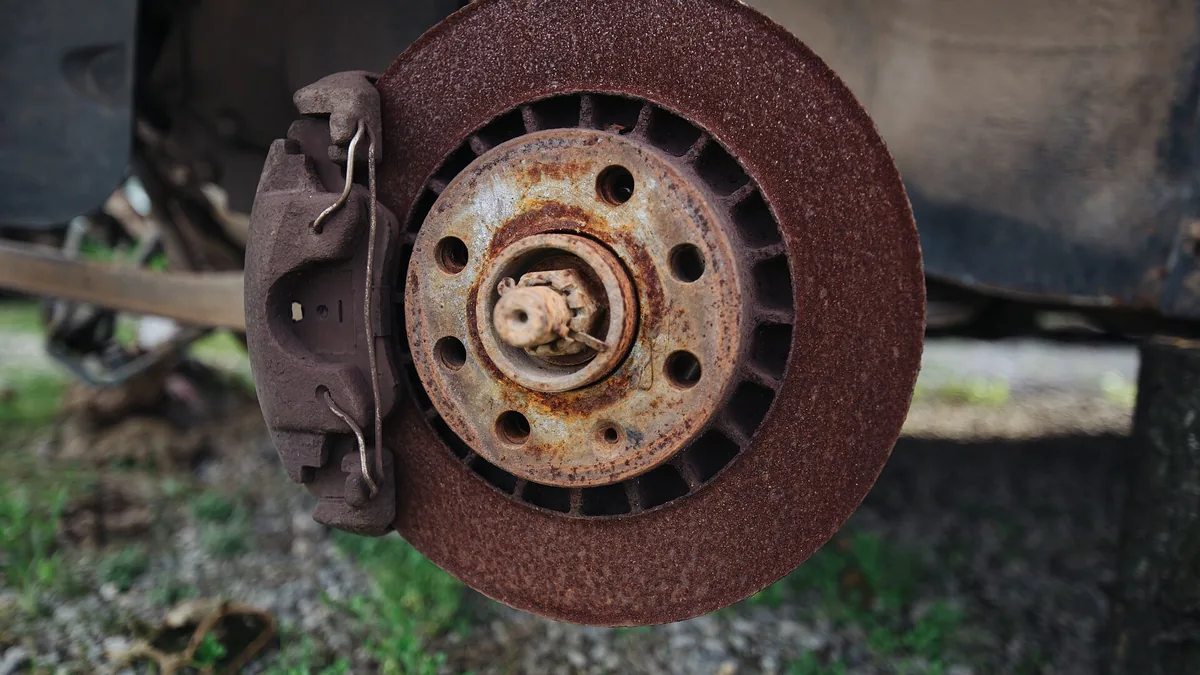
UN/ECE Regulation No. 90 sets approval requirements for replacement brake lining assemblies, drum brake linings, and brake discs and drums for power-driven vehicles and their trailers, as published on EUR-Lex. When you buy replacement brake pads, discs or drums, check whether the product listing states approval under this regulation, and keep the product number from the listing. A brake part without a stated approval should prompt a question to the store before you order.
Price against risk
Warranty and what it covers
Warranty terms differ by store and by part brand. FCP Euro states that its Lifetime Replacement Guarantee applies only to the original purchaser and remains valid while the customer owns the vehicle. AUTODOC states a 24 month deadline for submitting a warranty return request after delivery confirmation. O'Reilly Auto Parts states that its limited warranty requires the original sales receipt. Read the warranty page of the store and of the part brand, and keep the invoice.
FAQ
What is the difference between OEM and OES parts?
An OEM part is made to the carmaker's specification and is usually sold under the carmaker's brand. An OES part is made by the supplier that produced the original component and is often sold under that supplier's own brand. The part can be the same product in different packaging, so compare numbers and brands.
Are aftermarket parts as good as OEM parts?
It depends on the brand and the part. Aftermarket brands range widely, and a stated warranty and approval help you judge. For common wear items a known aftermarket brand can be enough, while for sensors and control units many buyers choose OEM or OES. Check fitment and return terms in each case.
Does the warranty cover labor?
Check the warranty page of the store and the part brand. FCP Euro states that its guarantee covers the replacement part and credits the original purchase excluding shipping, and AUTODOC and O'Reilly Auto Parts describe their warranty terms on their own pages. Where labor is not mentioned, do not assume it is covered.
Sources
- UN/ECE Regulation No. 90 on EUR-LexSets approval requirements for replacement brake linings, discs and drums.
- FCP Euro: Lifetime Replacement GuaranteeStates the terms of the guarantee for the original purchaser.
- AUTODOC help center: returns and refundsStates return and warranty request deadlines.
- O'Reilly Auto Parts: warrantyStates that a limited warranty needs the original sales receipt.
- Auto Care Association: ACES and PIESDescribes data standards for fitment and product information.